

How to Verify a Chinese Car Supplier Before Buying?
1. Why Supplier Verification Is Critical in China’s Car Export Market
Choosing the right Chinese car supplier can determine whether your import business succeeds—or becomes a costly mistake.
China’s automotive manufacturing industry is massive, with thousands of exporters, trading companies, resellers, and manufacturers competing for orders.
But the quality, export capability, and reliability vary dramatically. Thorough verification helps you:
- Avoid fraud and scams
- Prevent delayed shipments
- Ensure you receive authentic, road-legal vehicles
- Confirm the supplier has export licenses
- Evaluate real production capabilities

2. Step 1: Confirm the Supplier’s Business Legitimacy
Before discussing prices, you must first ensure the supplier legally exists and is allowed to export vehicles.
What to Check
- Business license
- Unified Social Credit Code
- Registered capital
- Business scope → must include “vehicle manufacturing”, “vehicle sales”, or “vehicle export”
- Whether the company name matches the website, bank account, and contract
How to Check
- Ask for a PDF of their business license
- Use China’s National Enterprise Credit Information Publicity System to verify
3. Step 2: Verify Export Qualification (Especially for Vehicles)
Not all car suppliers in China can legally export whole vehicles.
For car exporters, you should check whether they have:
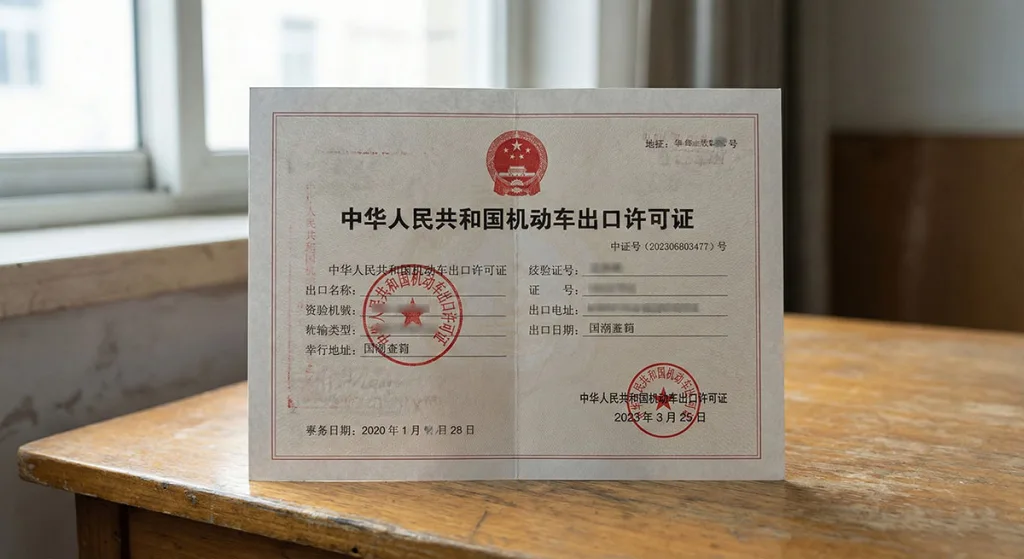
- MOFCOM Register for Automotive Export
- Customs registration
- Vehicle export permission
- CCC certification familiarity
Ask for These Documents
- Export license copy
- Sample customs declaration form
- Previous vehicle export records
Or you can contact us for you to check the information.
4. Step 3: Conduct a Factory Audit (On-Site or Remote)
A real manufacturer will welcome factory inspection.
A trading company may also be reliable, but they should clearly disclose themselves.
What to Verify
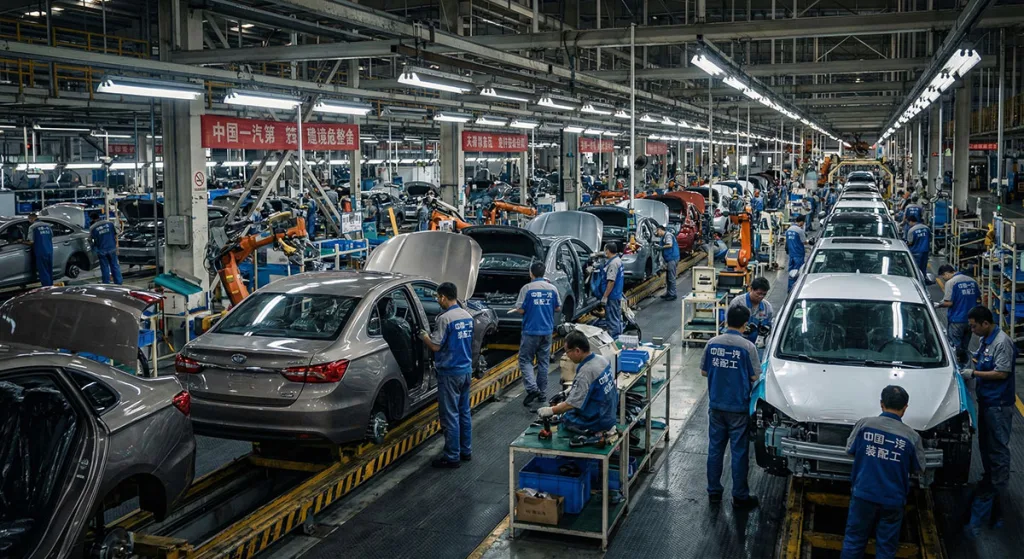
- Production capacity
- Assembly lines
- Quality control processes
- Pre-shipment inspection procedures
- Inventory of vehicles
- Whether staff can explain technical details confidently
Remote Audit Tools
- Live video call
- Real-time walking factory tour
- Photo proof of production
- Vehicle VIN numbers
5. Step 4: Validate Past Export Experience
Experienced exporters will provide:
- Previous destination countries
- Client references
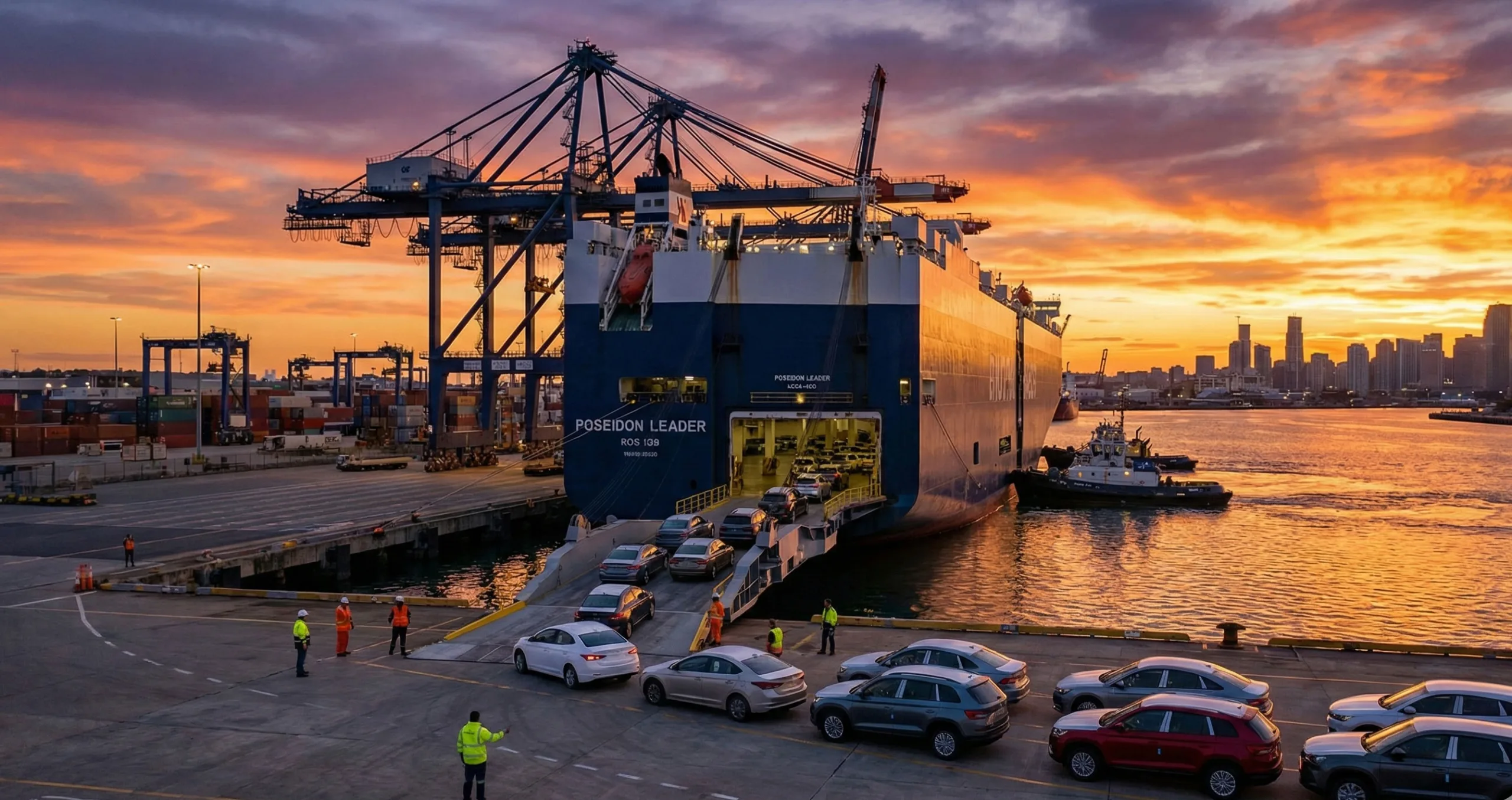
- Successful RORO or container shipments
- Compliance documents for EU / Middle East / Africa markets
Risk if No Experience
- Incorrect paperwork → cargo stuck at customs
- Wrong HS code declared
- Vehicles may not meet emission/road standards

6. Step 5: Request Product Compliance Documents
Every car model should come with:
- VIN (Vehicle Identification Number)
- Emission standard documents
- Safety inspection report
- CE/CCC certificates (depending on market)
- PDI inspection checklist
If the supplier struggles to provide these → red flag.
Documents to Request
- Vehicle quality certificate
- Export inspection certificate
- Pre-shipment inspection report
7. Step 6: Check the Supplier’s Online Presence
A credible supplier usually has:
- A functional website
- Verified social media or B2B profiles
- Consistent company information
- Professional product descriptions
- Clear contact information
Online Verification Checklist
- Does the domain name match the company name?
- Is the website translated properly?
- Are there real photos, not stock images?
8. Step 7: Review Payment Terms (This Reveals Trust Level)
Reliable suppliers typically offer:
- 30% deposit + 70% before shipment
- Escrow (for parts / accessories)
- L/C for large orders
- Secure bank accounts under company name
Red Flags
- Personal bank account
- Crypto payments only
- Urging full payment upfront
- Price too low to be realistic
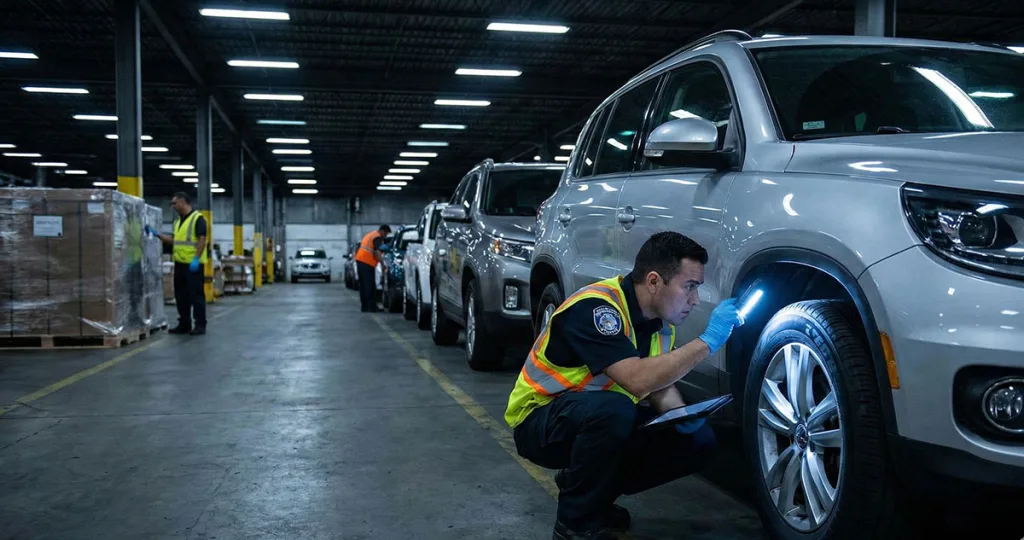
9. Step 8: Conduct a Third-Party Inspection Before Shipment
This is the final safeguard before you pay the balance.
Trusted inspection companies can check:
- VIN number
- Odometer (for used cars)
- Paint, body condition
- Engine status
- Tire wear
- On-board electronics
- Compliance labels
- Container loading process
10. Final Checklist: How to Confirm the Supplier Is Truly Reliable
| Verification Point | What You Should See | Red Flag |
|---|---|---|
| Business License | Clear, verifiable | Name mismatch |
| Export License | Valid documents | “We don’t need it” |
| Factory | Real production lines | Only office photos |
| Communication | Fast, professional | Avoids technical questions |
| Pricing | Transparent | Too low / inconsistent |
| Contracts | Detailed, legal | Vague agreements |
| Shipment History | Records, photos | None |